Soil First
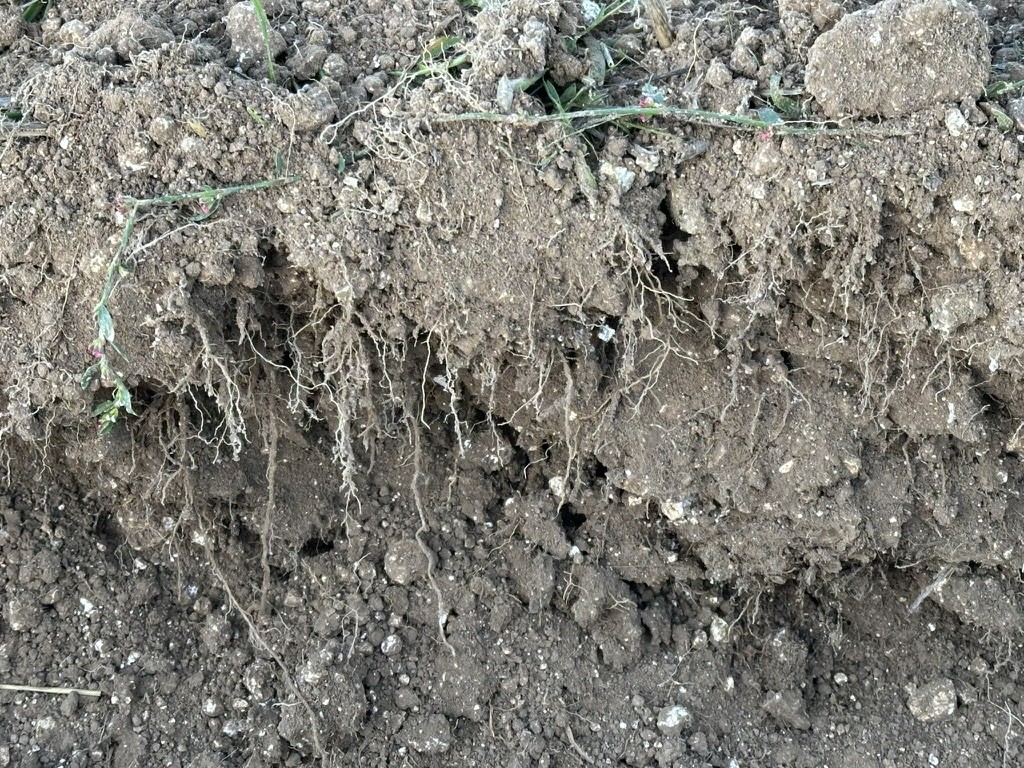
Minimal disturbance, living roots year round and long grazing recoveries have transformed soil structure. Better soil holds more water, cycles more nutrients and grows more grass on light chalky soils.
Read the Positive News featureSoil makes the ecological world go round, and grazing cows help build soil
Organic Arable & Dairy
1,242 acres
Our purpose is to farm with vitality, integrity and resilience.
The Farm
Since converting to an organic system in 2011, our work has been all about restoring vitality to the farm ecosystem, both above and below ground. We work hard to farm in harmony with our environment, prioritising soil health, the quality of life for our animals and the people who live and work here.
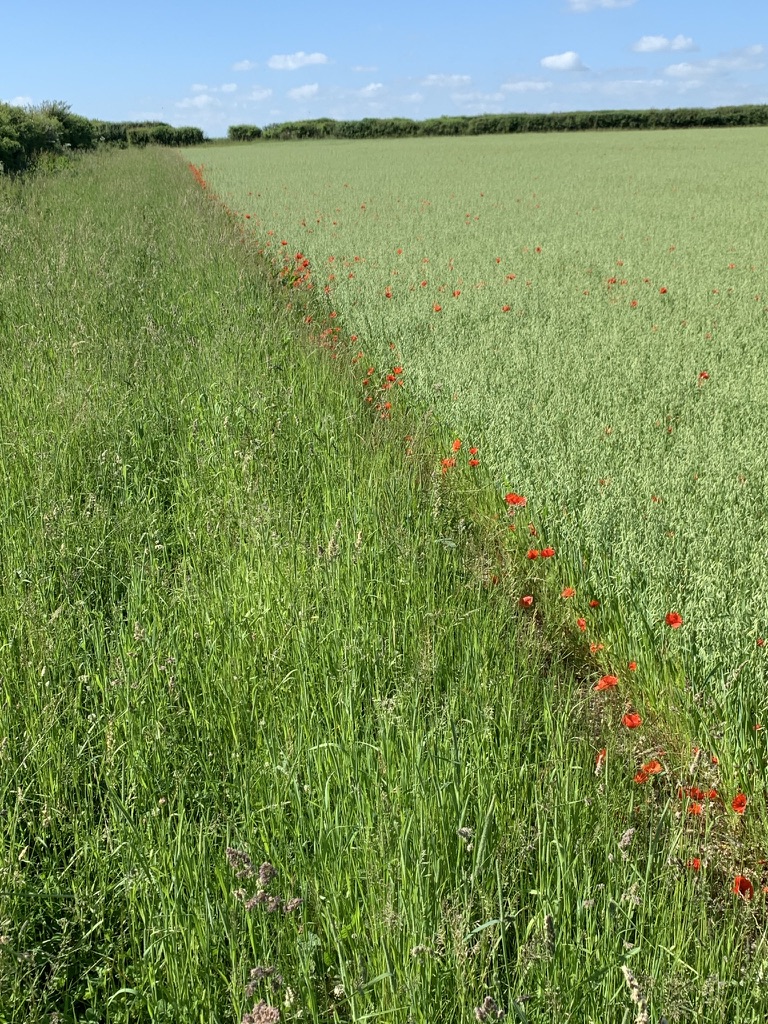
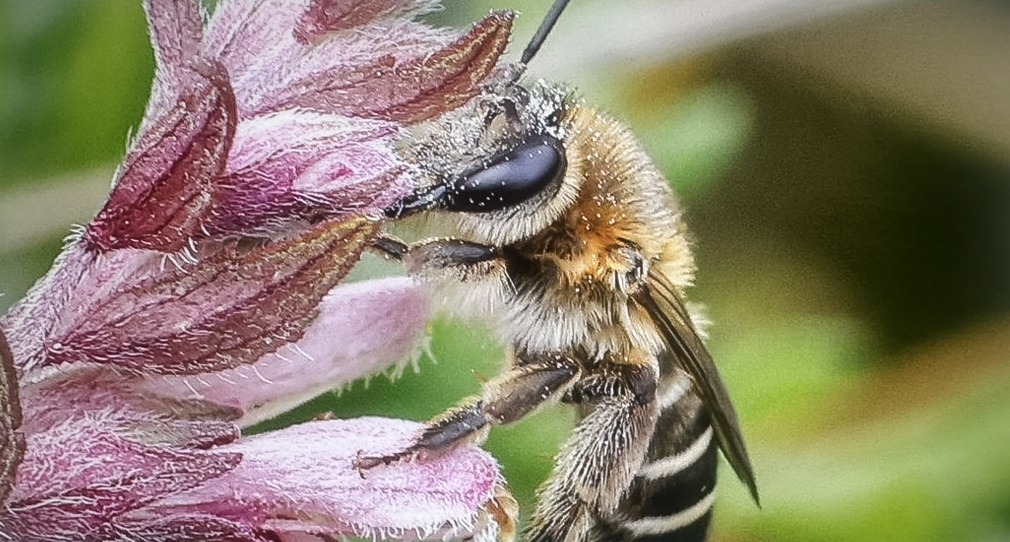
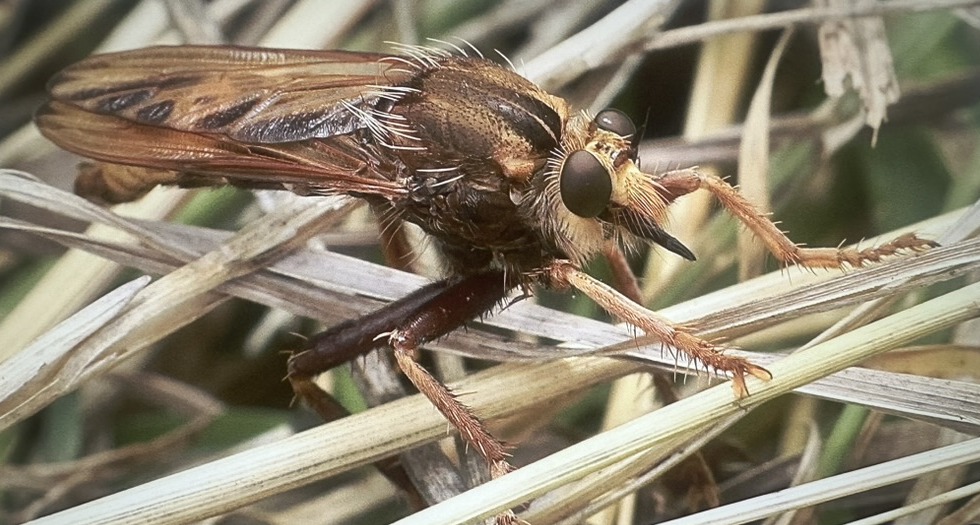
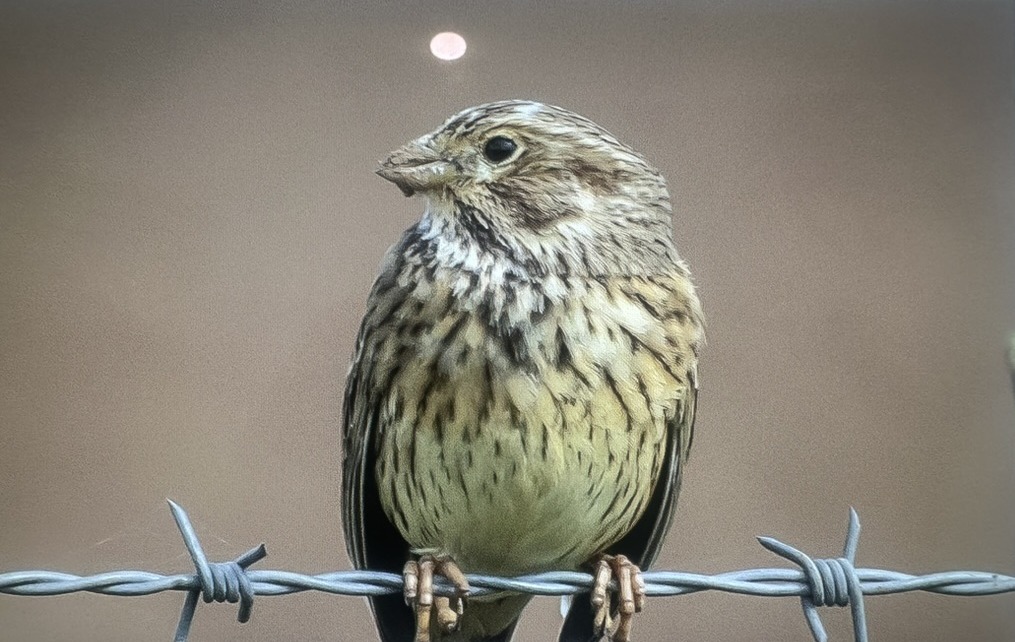
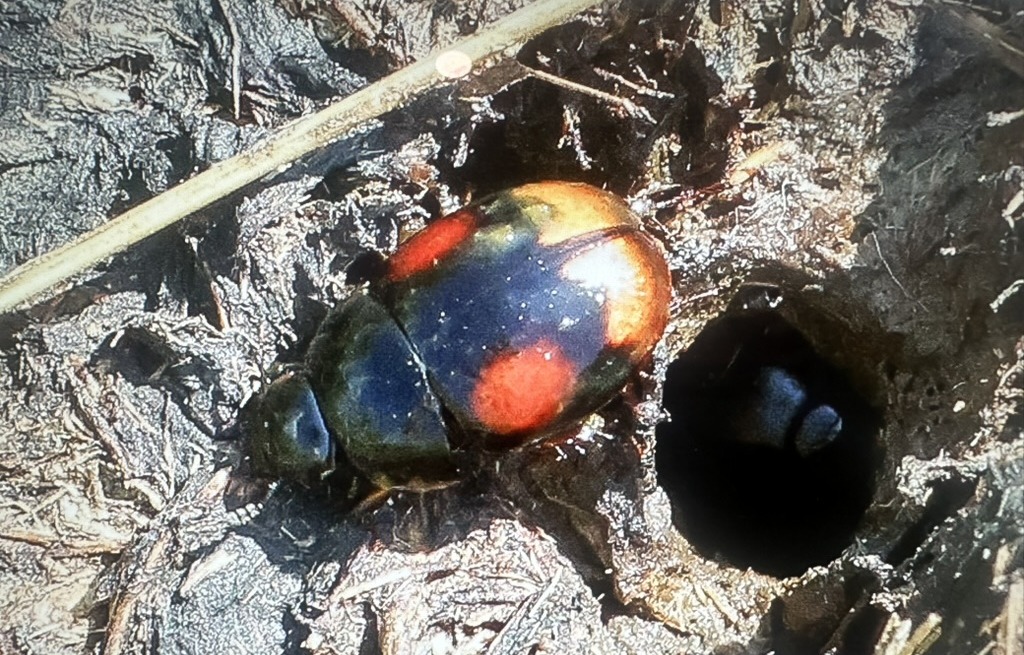
All life on the farm is interdependent. Healthy soil feeds microorganisms, worms and beetles, which feed the birds, bats and mammals. With no herbicides, pesticides or artificial fertiliser, wildlife thrives in every corner of the farm, not just in set-aside areas. See Land & Wildlife
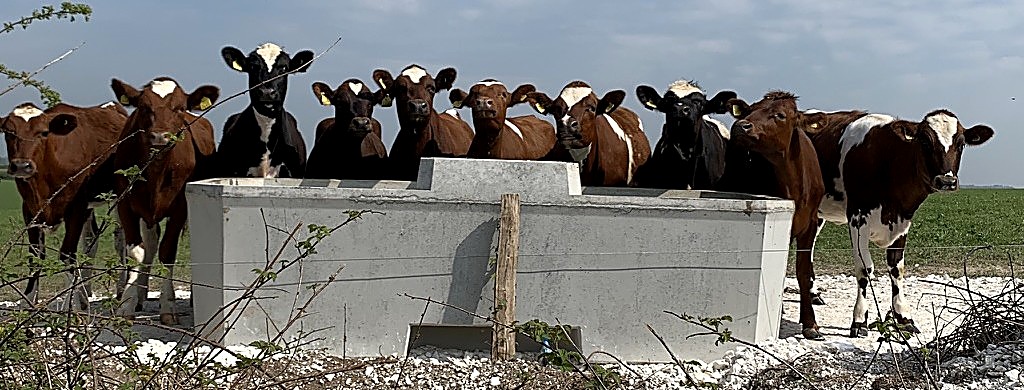
Grazing cattle play a vital role in this relationship. Together with diverse grasses, deep-rooting herbs and nitrogen-fixing legumes, they help build fertile soils, improve water retention and support an abundance of wildlife.
Cows eat grass (something humans can't manage) and transform it into two of the most nutrient-dense natural foods, milk and meat.
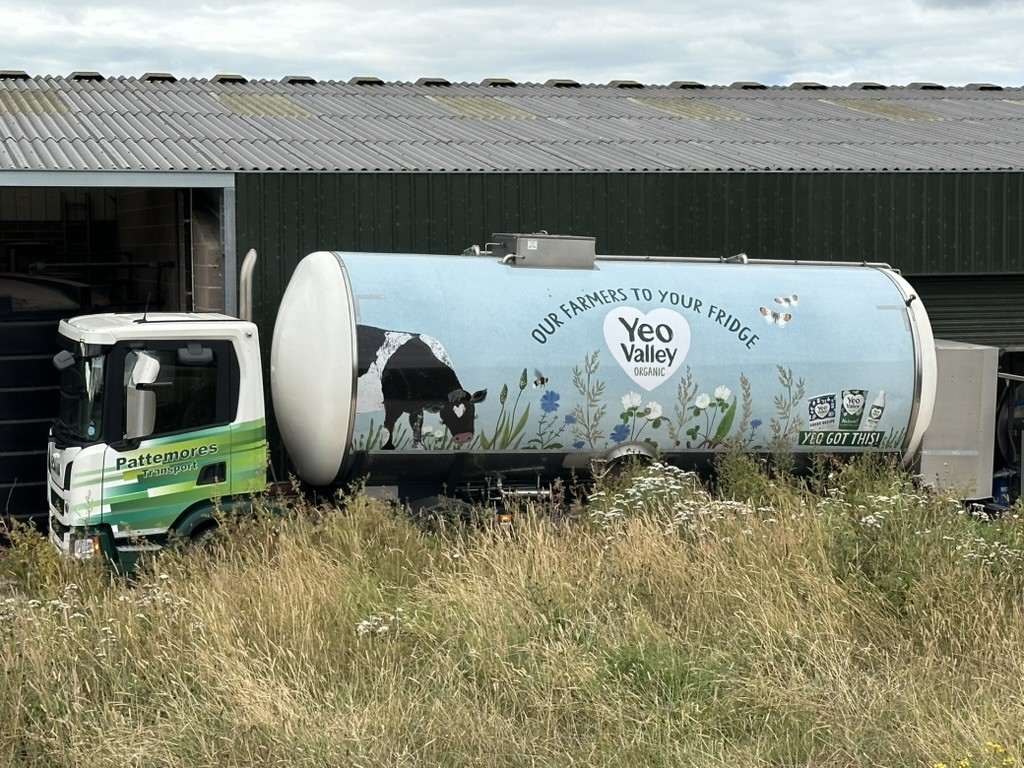
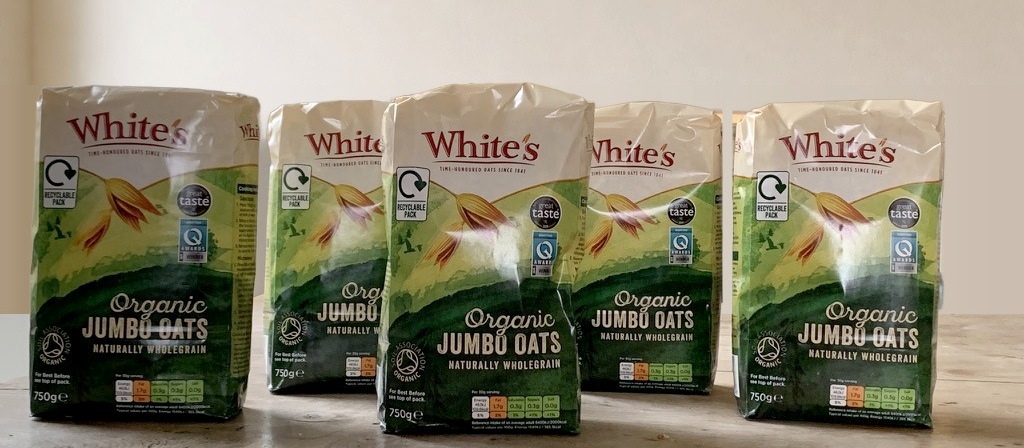
Hemsworth sells its milk to Yeo Valley, and we have supplied organic oats under contract to Whites Oats since 2013.
The people who make it happen
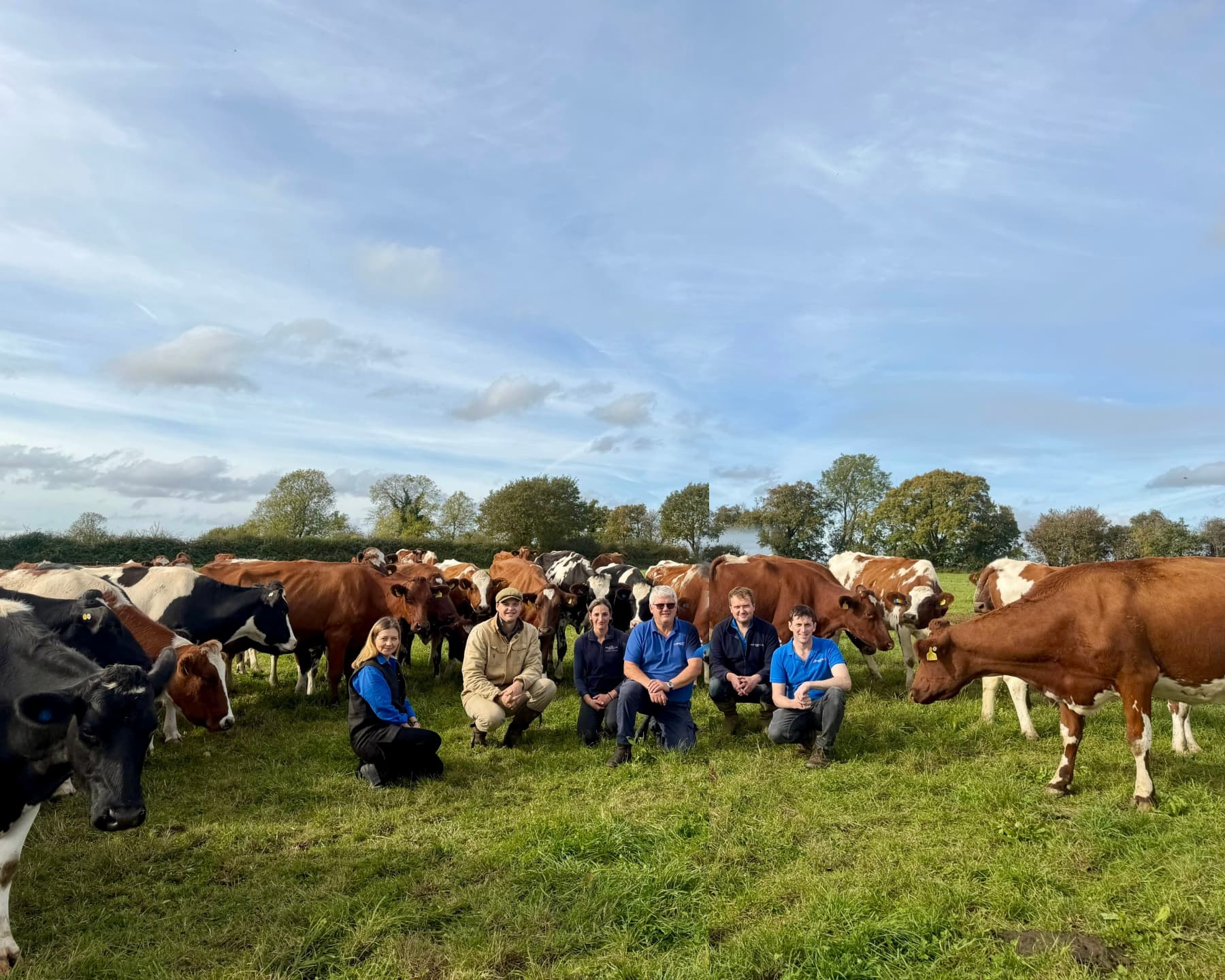
From left to right: Sophie Alexander, Bertie Alexander, Emily Kerley, Paul Moore, James Maidment and George Jackson (Herd Manager).
We are nothing without the hard work and expertise of the team, who are the lifeblood of the farm and ensure the health and wellbeing of the livestock, the crops and each other.
North Farm carry out all Hemsworth's arable operations.
Land & Wildlife
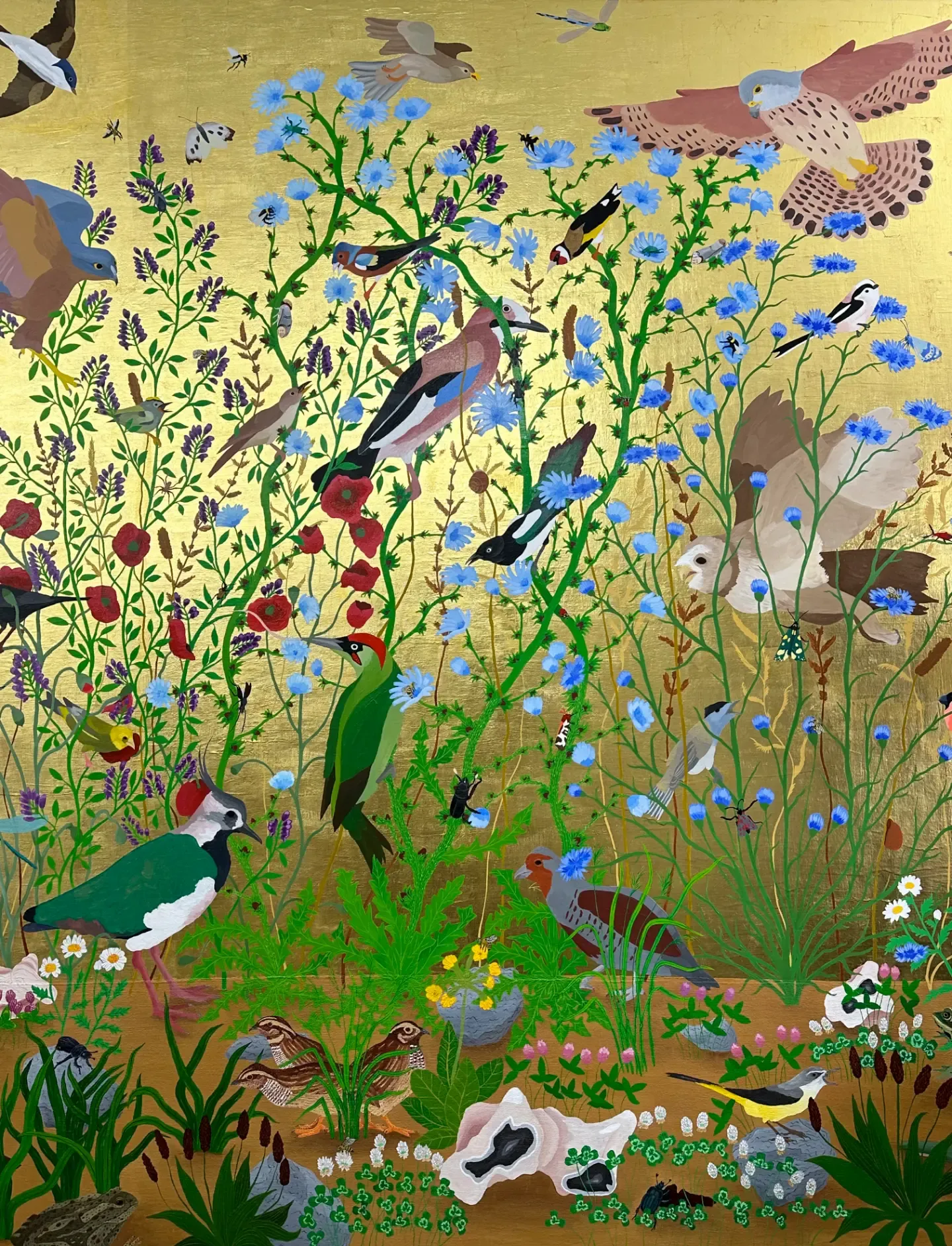
“The Peace of Wild Things” by Thomas Cruz
Minimal disturbance, living roots year round and long grazing recoveries have transformed soil structure. Better soil holds more water, cycles more nutrients and grows more grass on light chalky soils.
Read the Positive News feature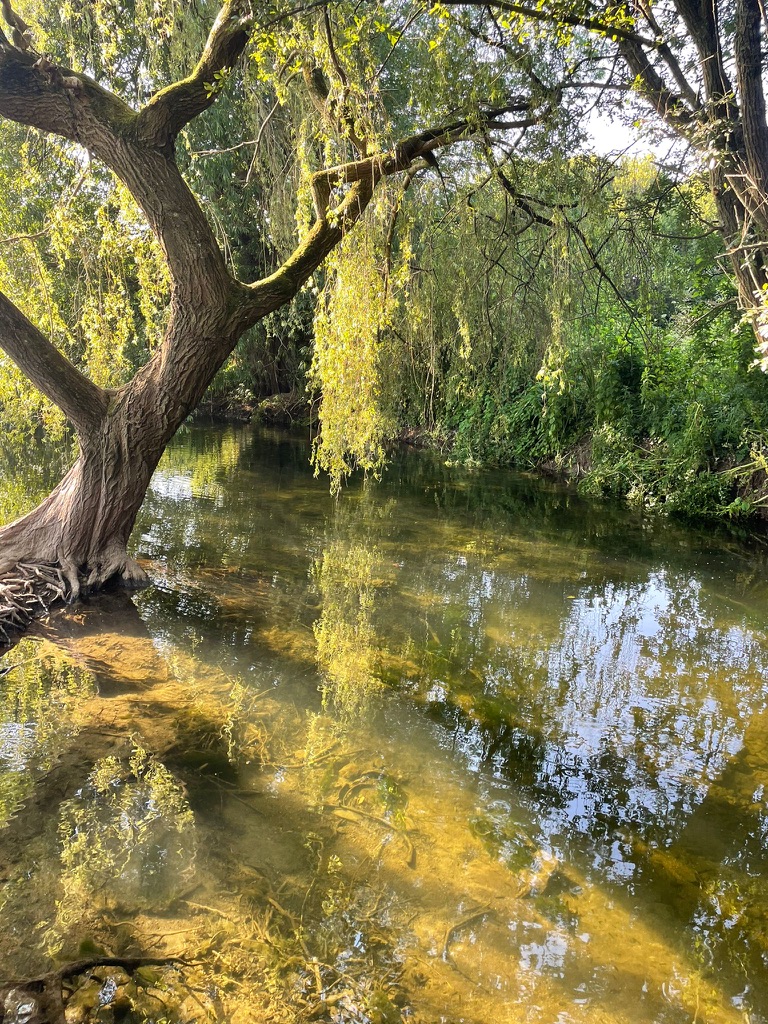
Hemsworth is part of the proposed River Allen Landscape Recovery project, a group of farms working at catchment scale to improve water quality and restore the length of an entire chalk stream and floodplain habitat.
www.riverallenlr.com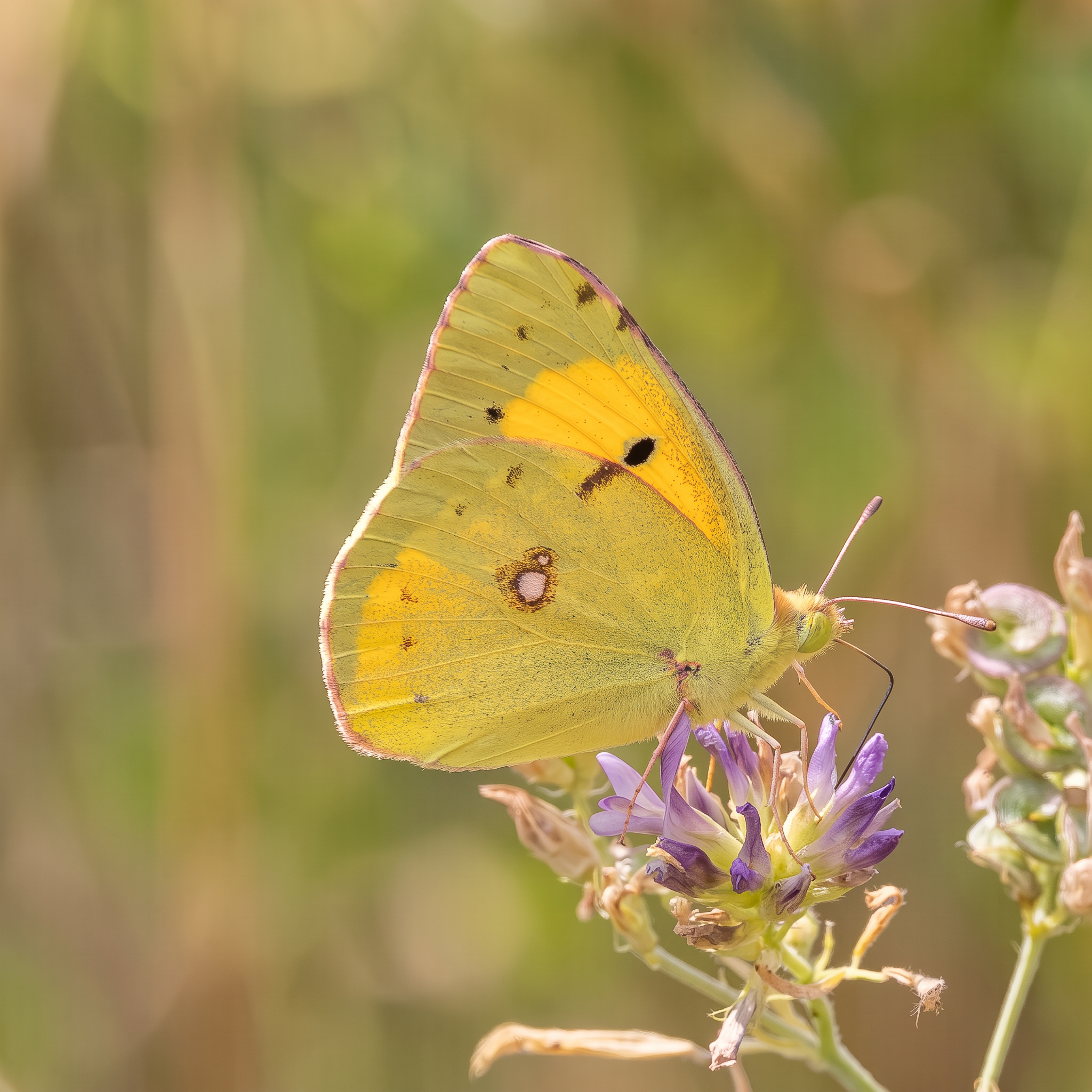
Independent monitoring
Innovate UK funded a 24/7 biodiversity monitoring project to give an evidence base for how habitat and grazing decisions affect life above ground as well as below it. Hamish Murray, ecologist at Dorset Wildlife Trust, has been monitoring biodiversity at Hemsworth for seven years and wrote the report on the project, comparing different monitoring systems and their results.
Download the report (PDF)Wildlife at Hemsworth
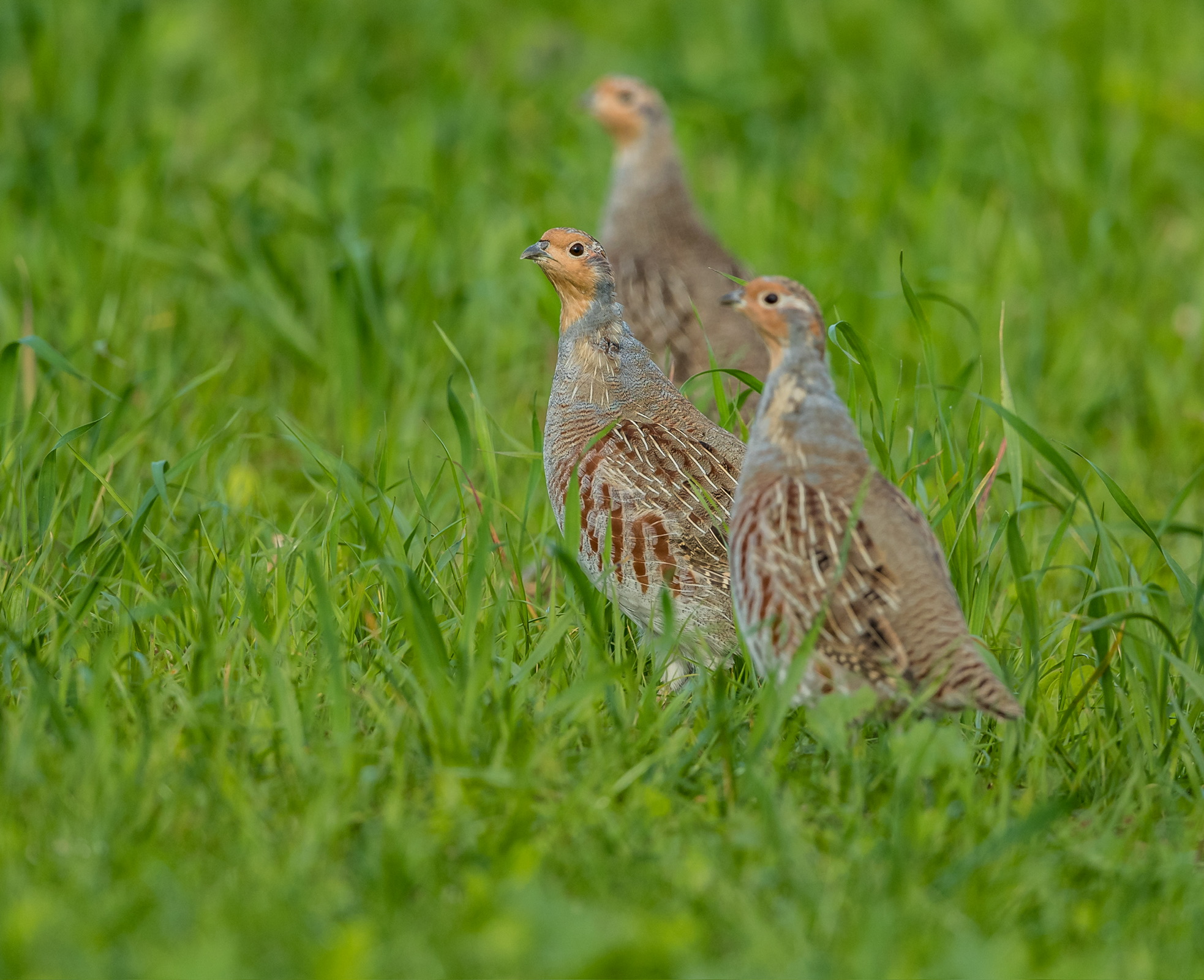
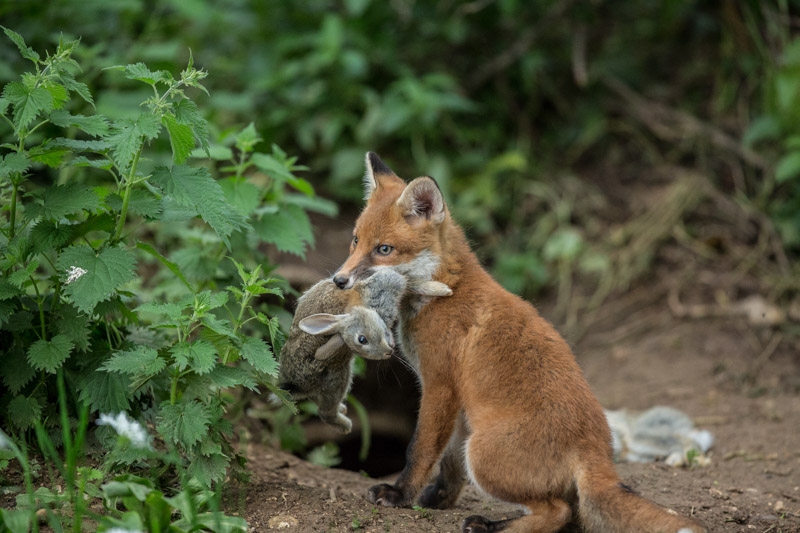
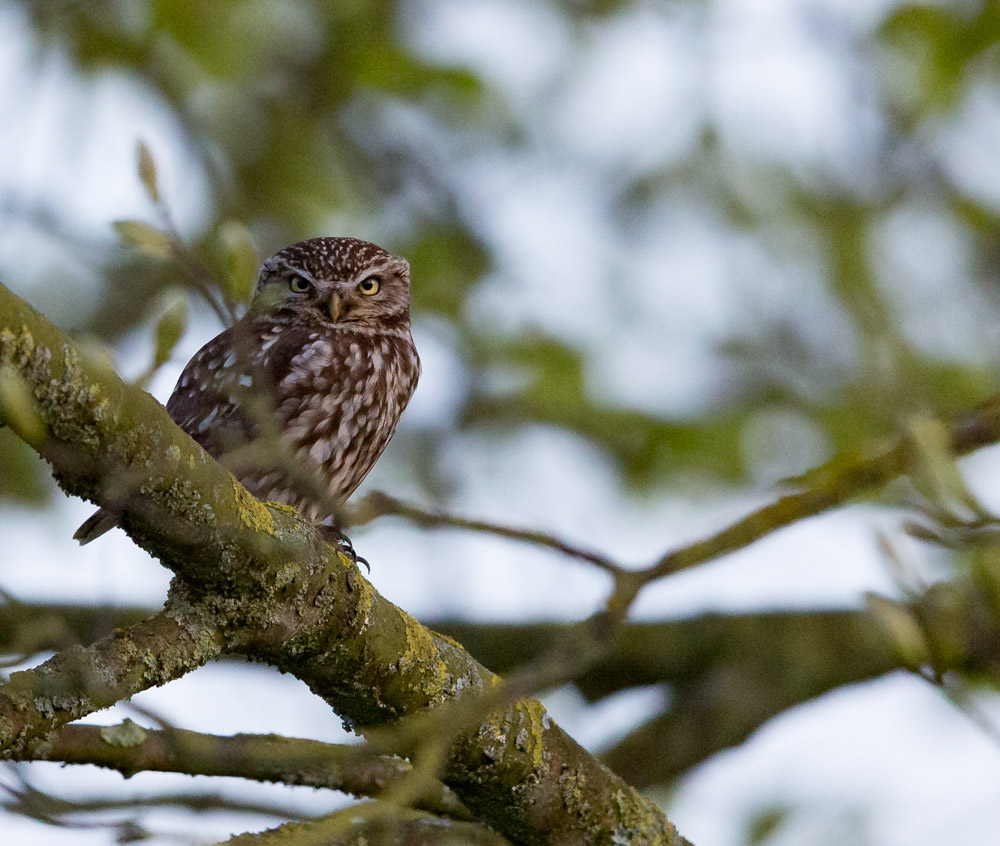
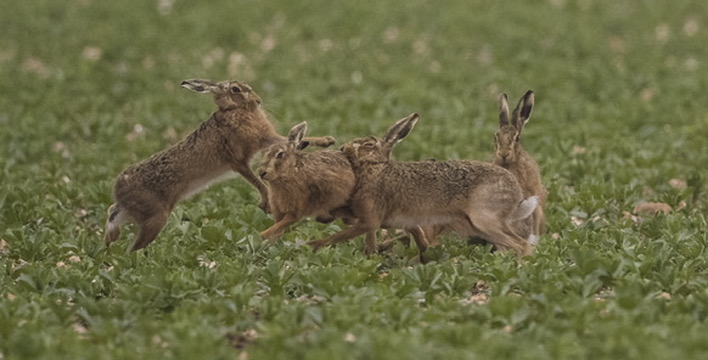
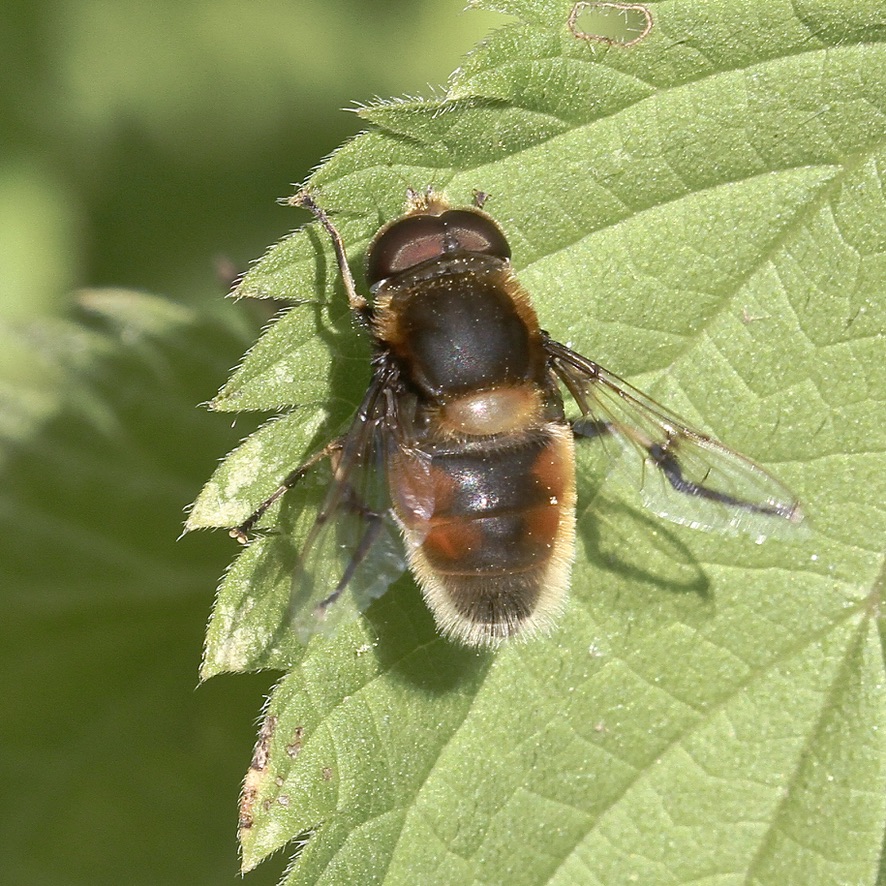
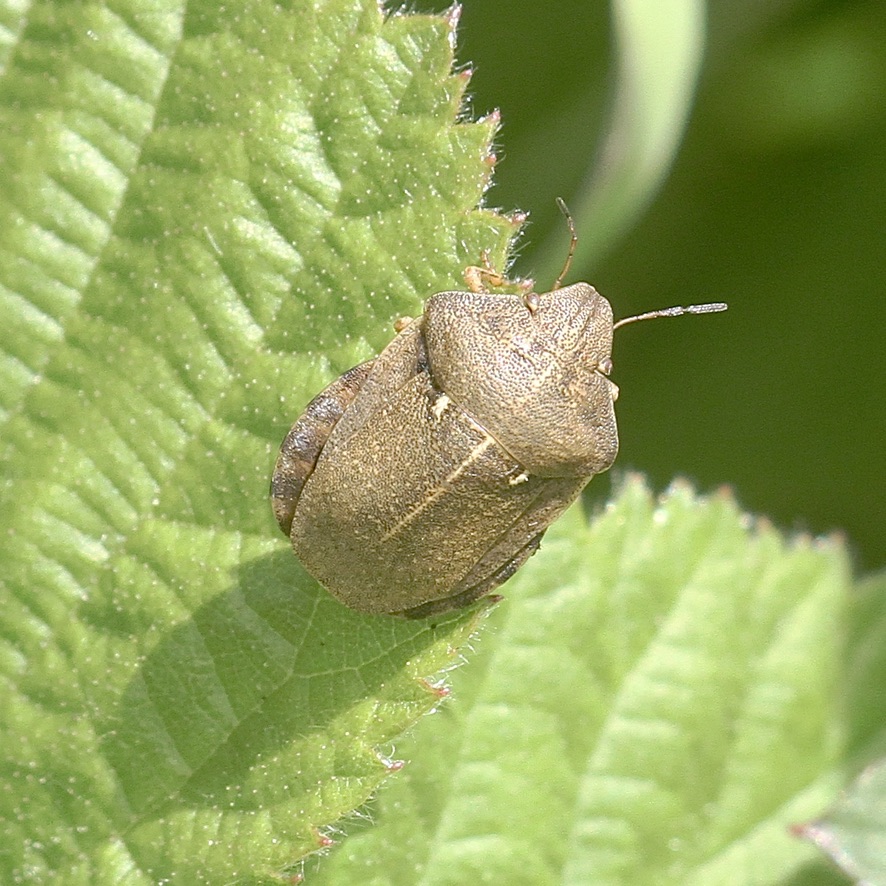
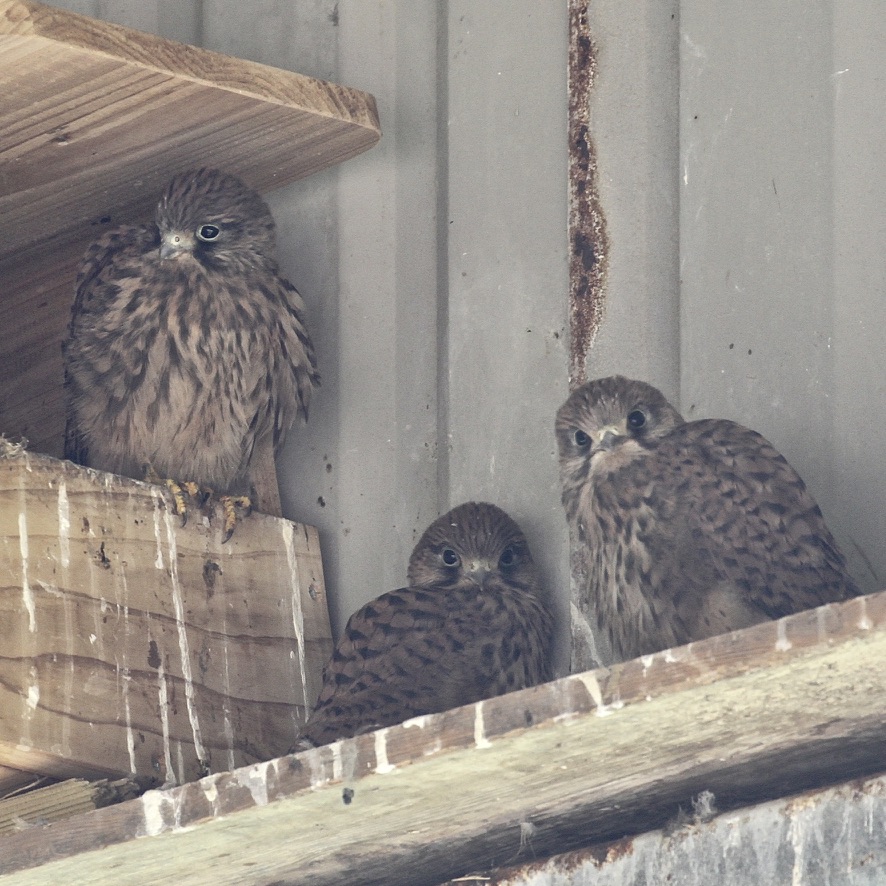
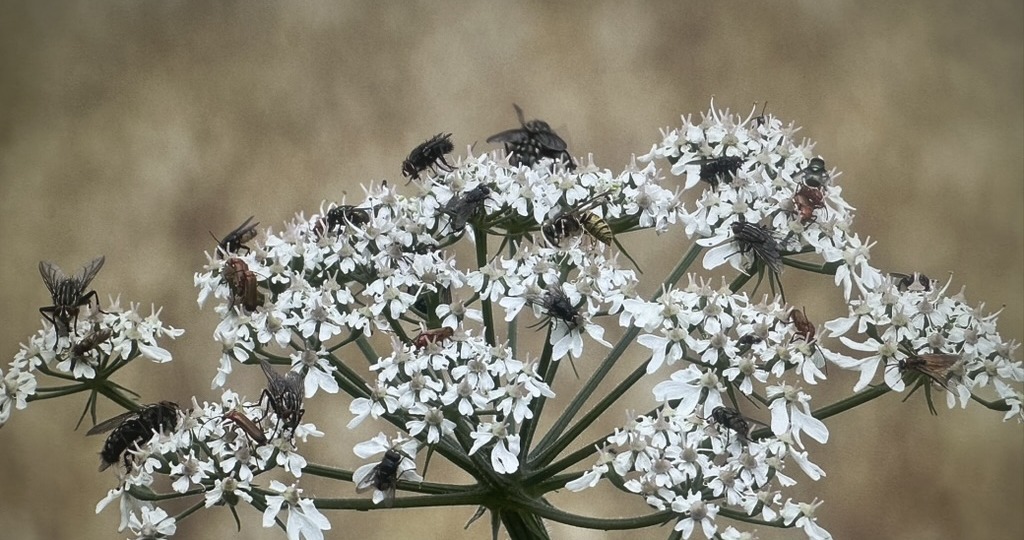
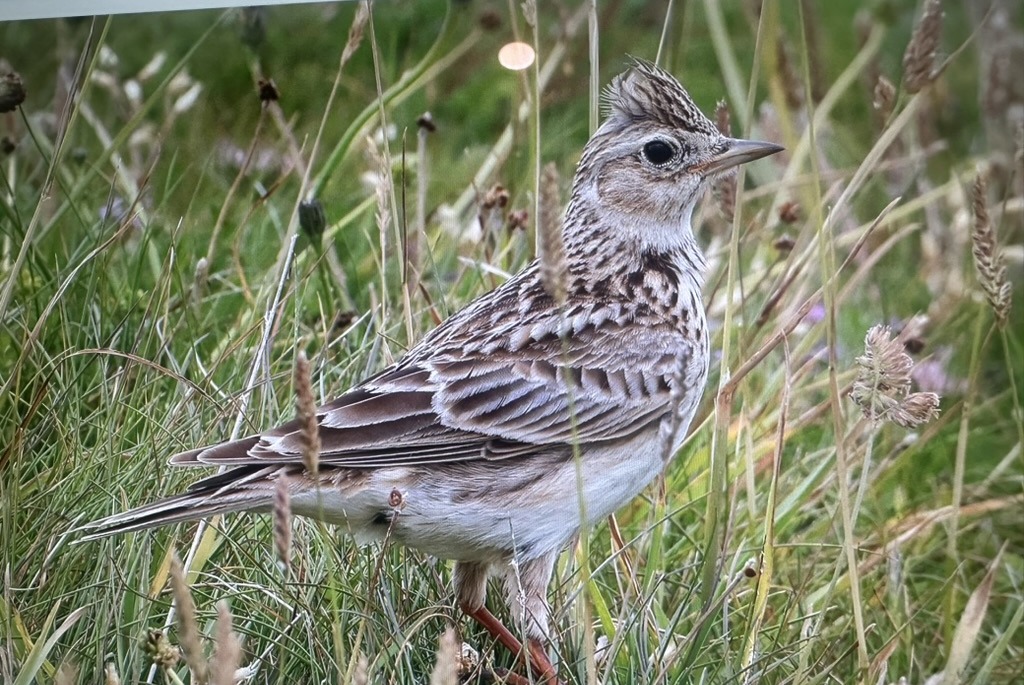
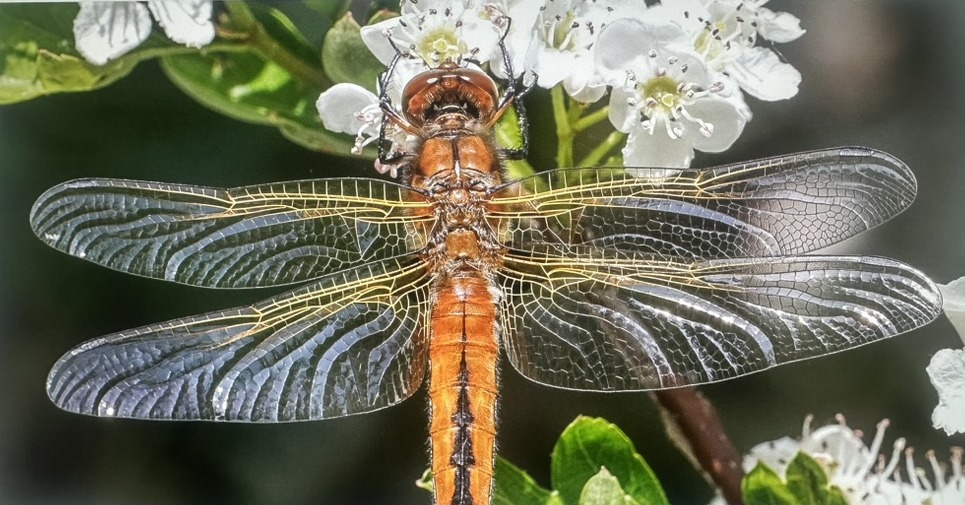
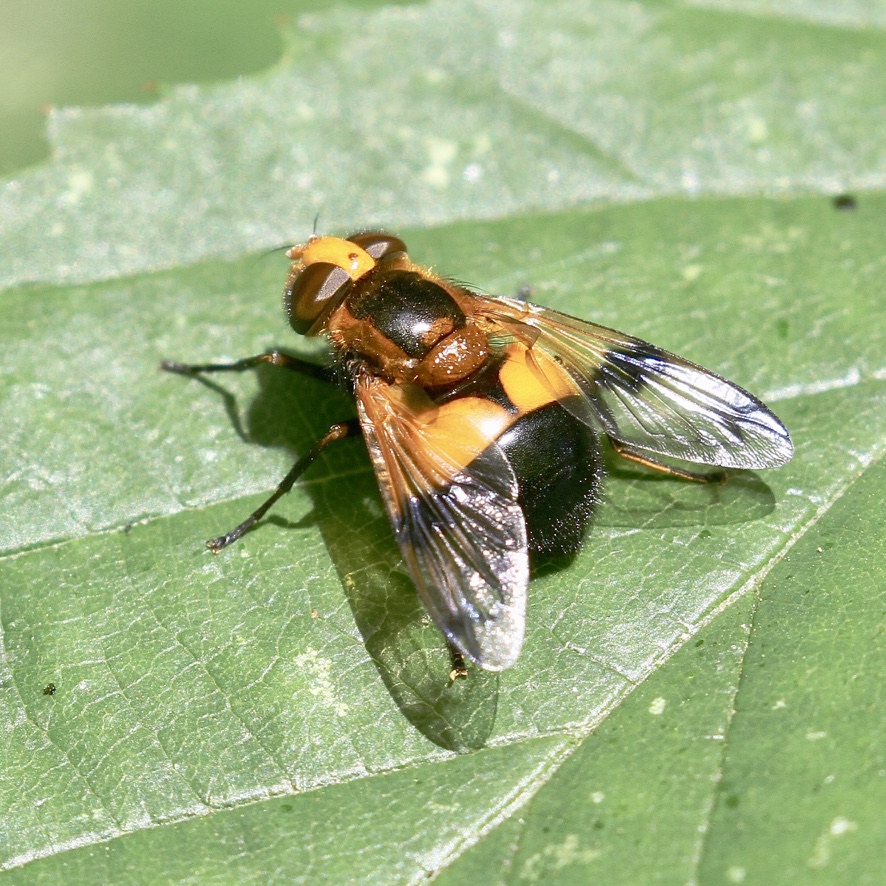
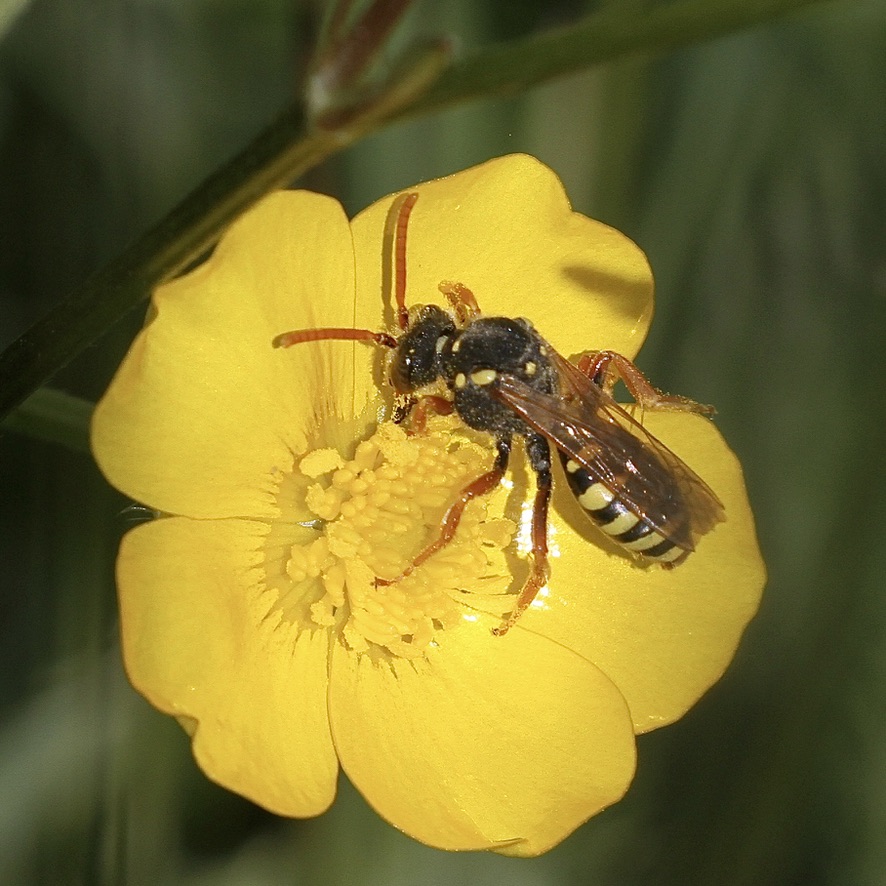
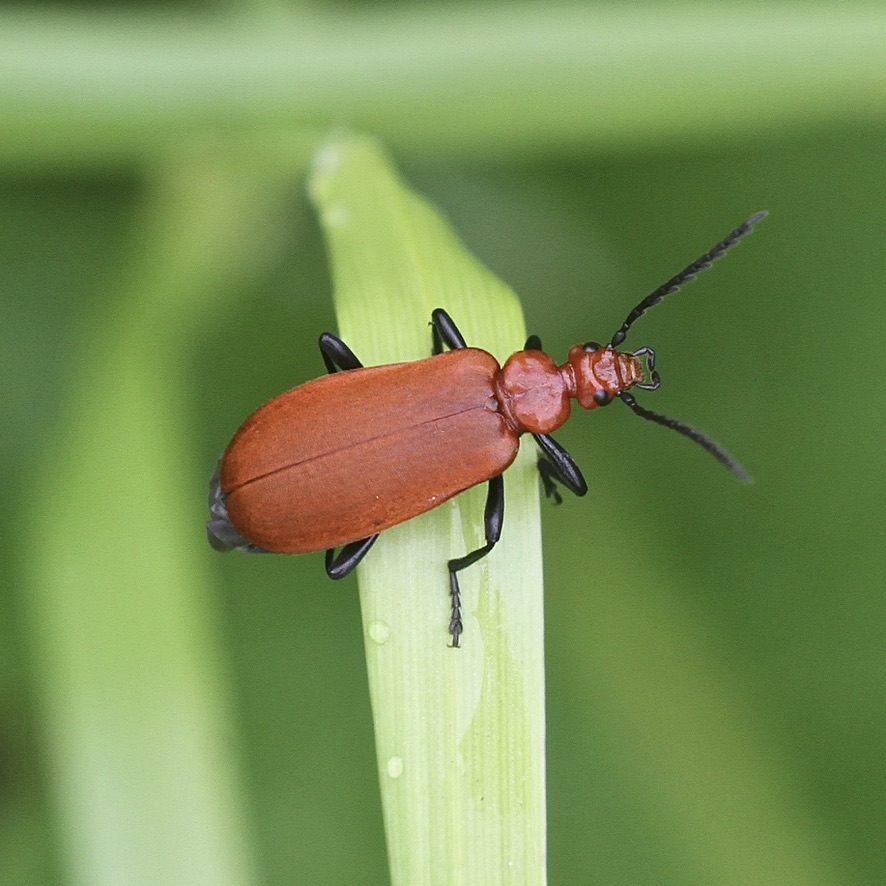
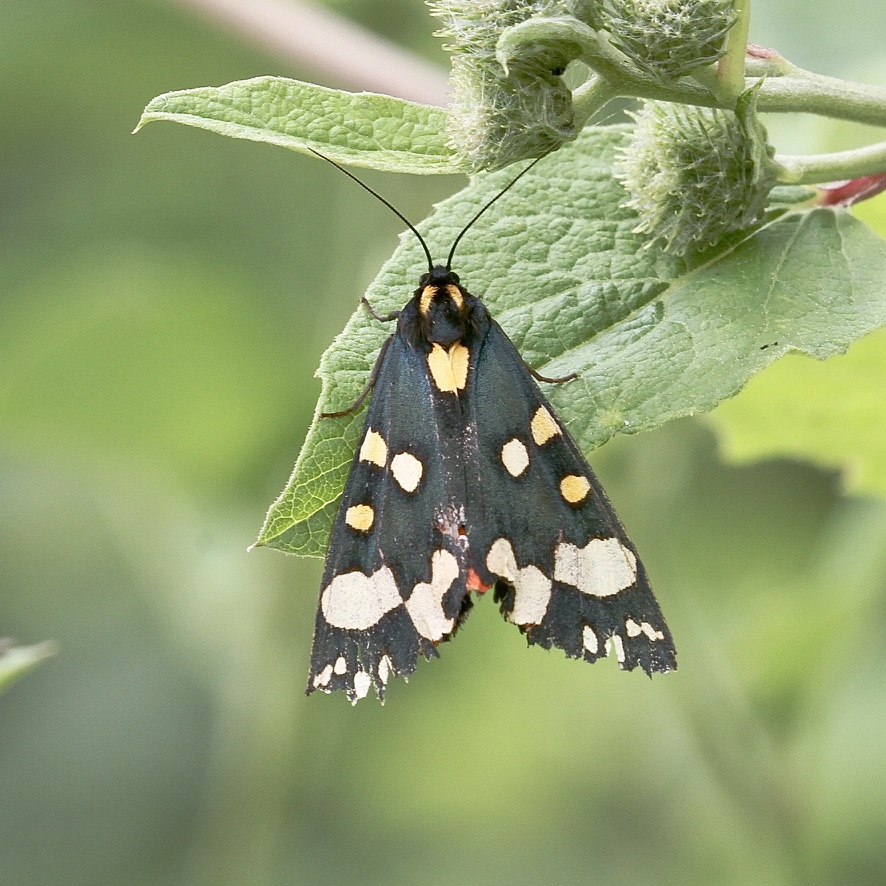
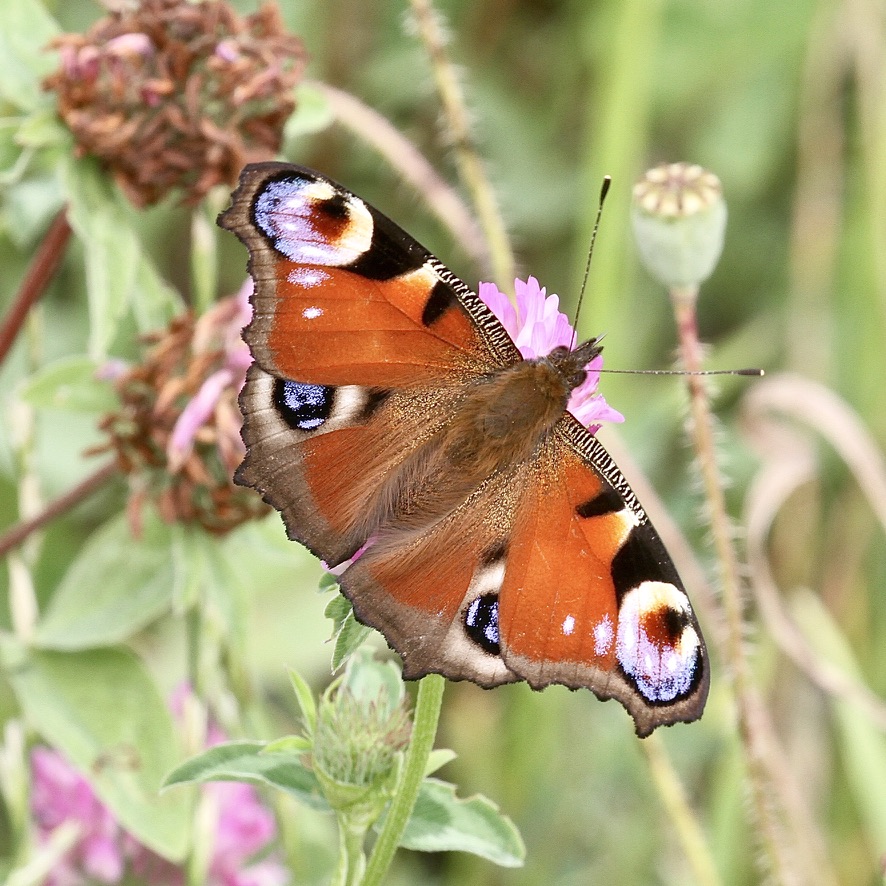
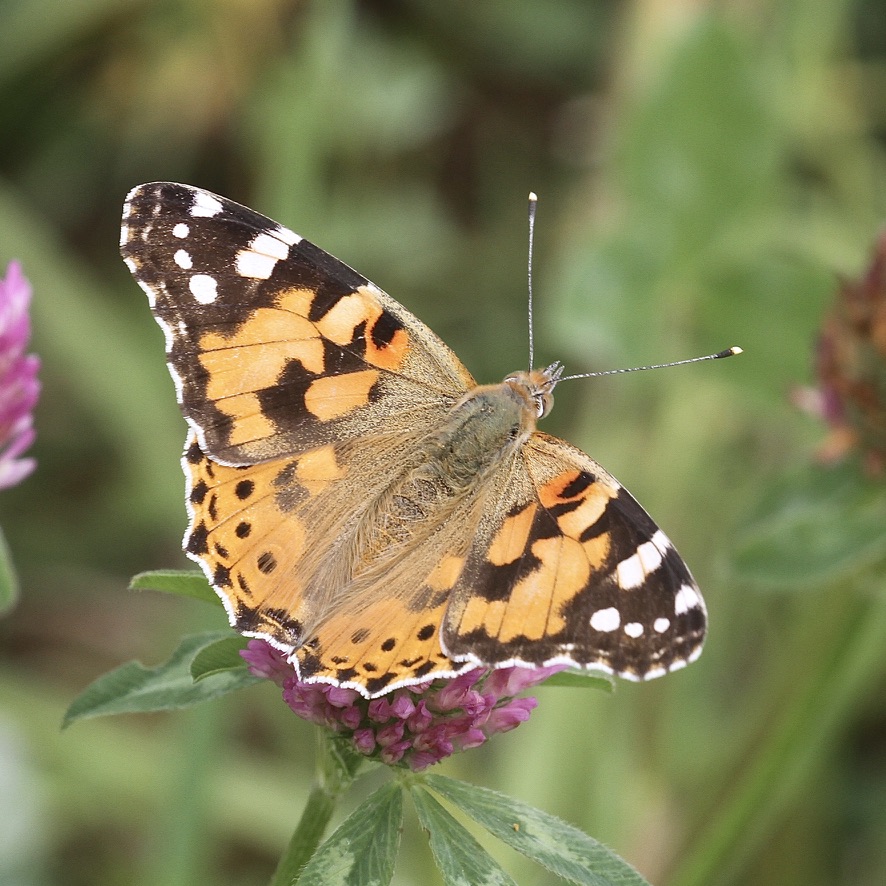
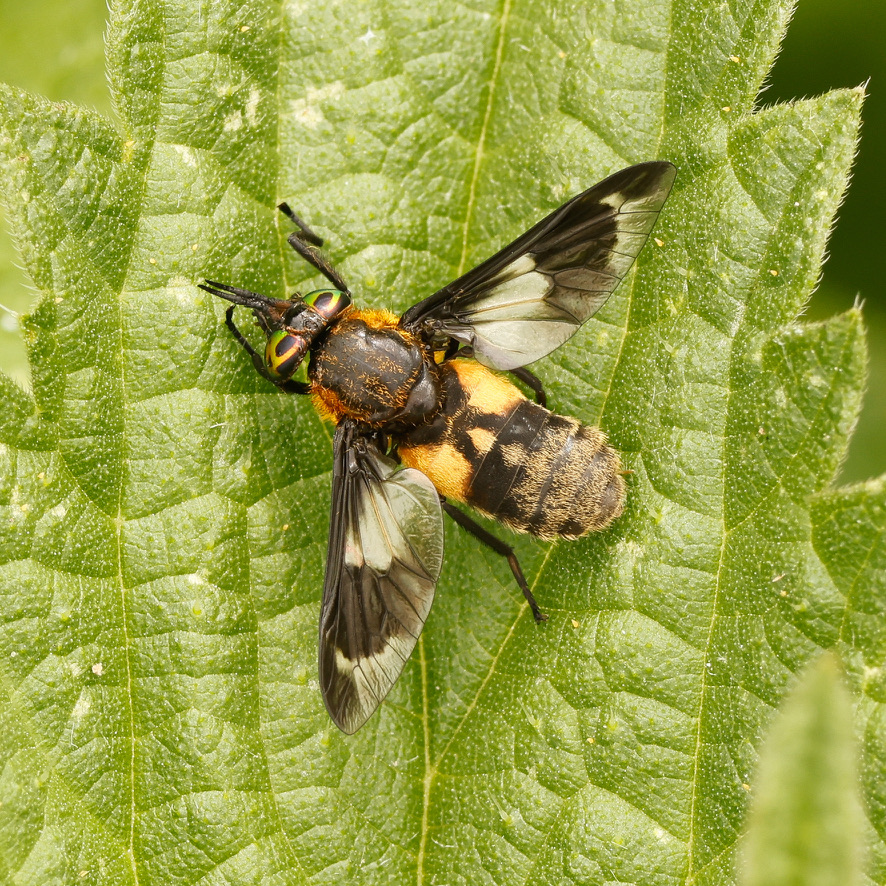
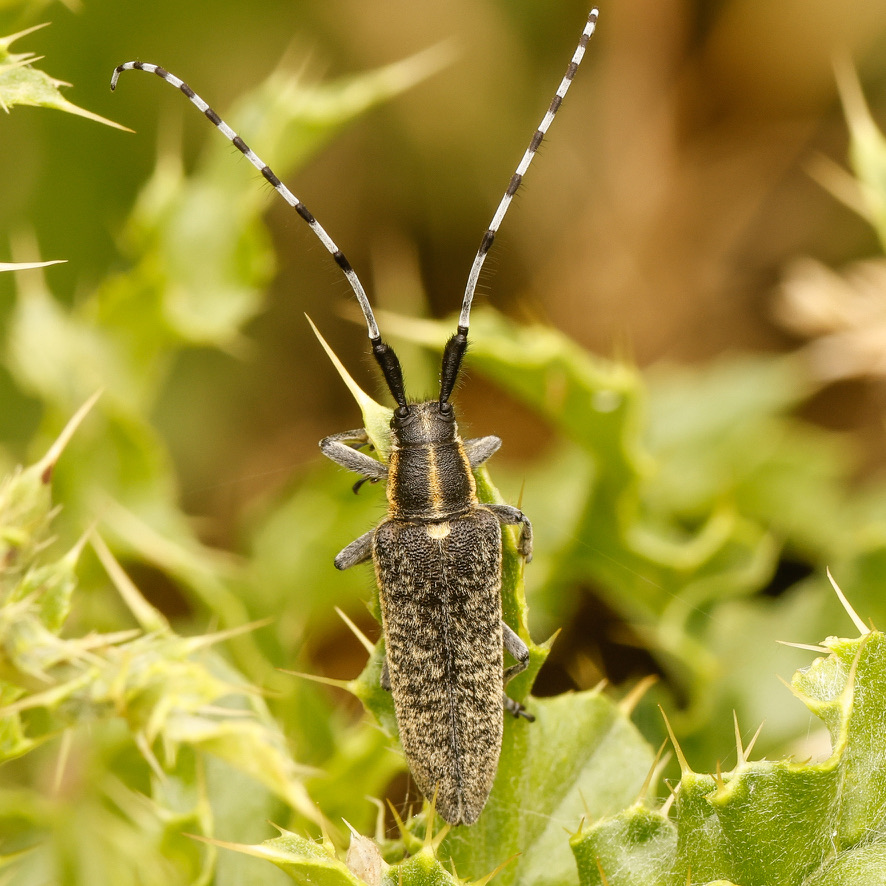
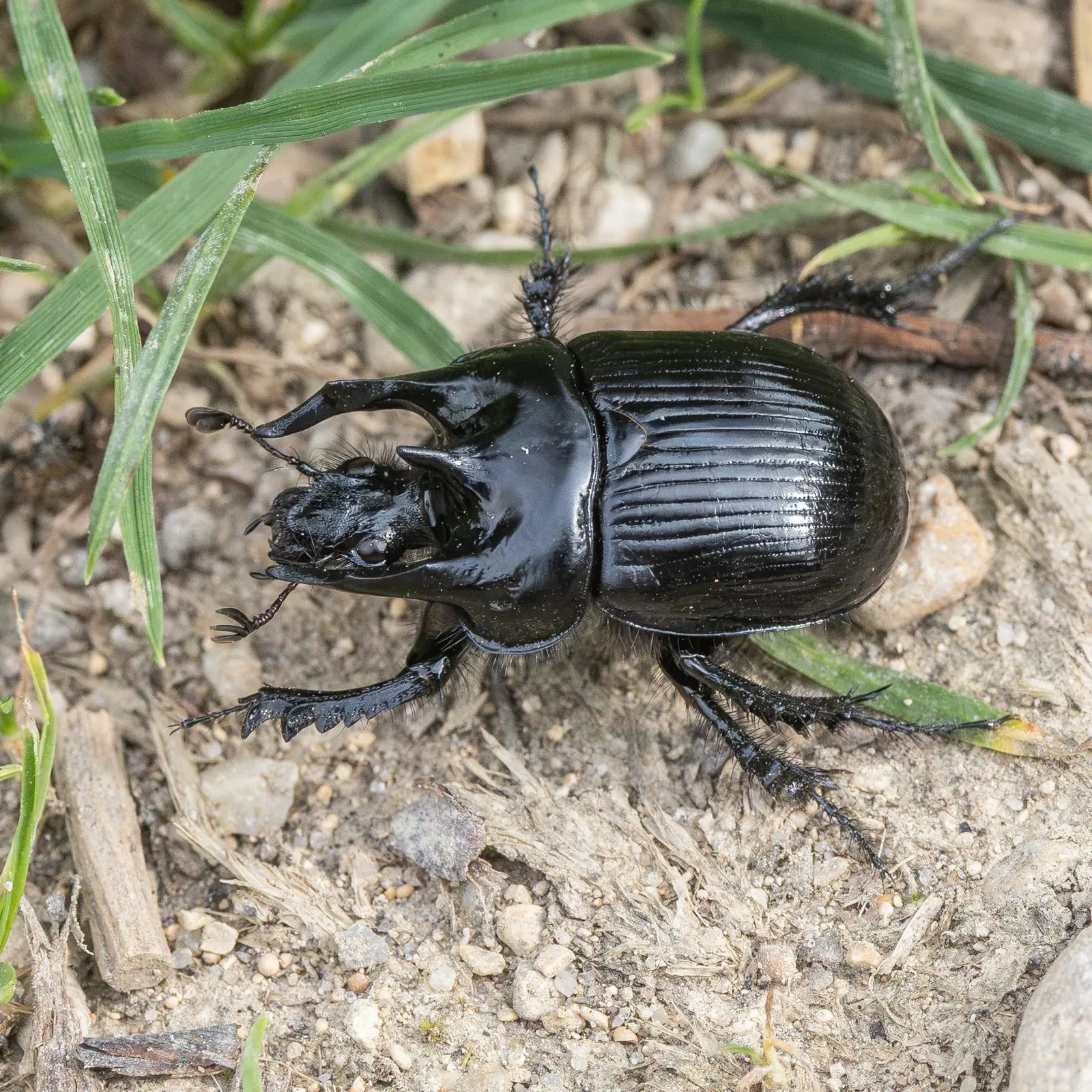
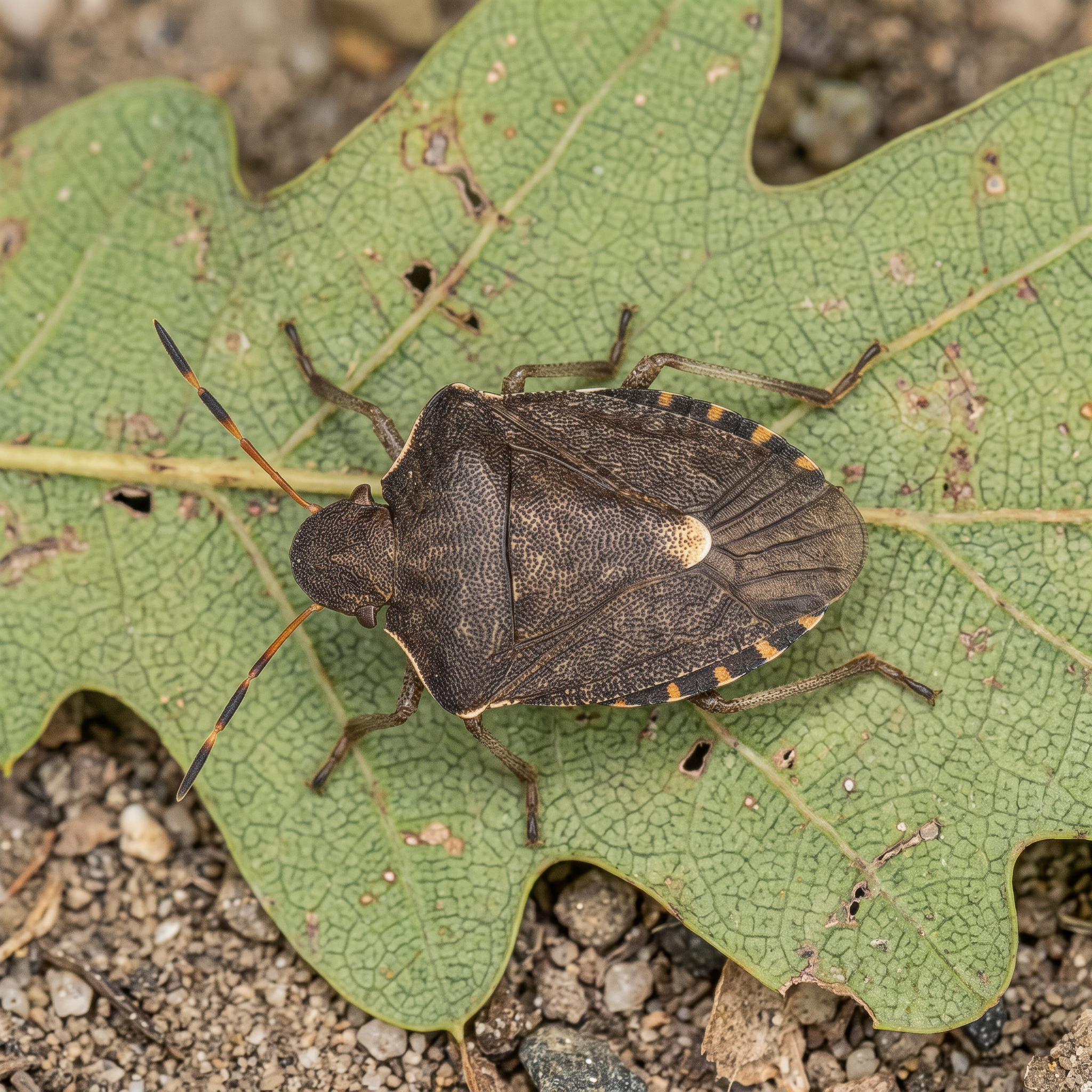
Professional ecologists have been monitoring biodiversity on the farm since 2017. We are especially interested in gathering data on invertebrates, because they are indicative of the heart and health of biodiversity throughout the farm.
Photographs by Hamish Murray and Christopher Ashurst
The Breed
Viking Red is a Nordic crossbreed designed for hybrid vigour. It's a combination of Swedish Red, Danish Red and Finnish Ayrshire, selected under one of the world's oldest and most complete health recording systems.
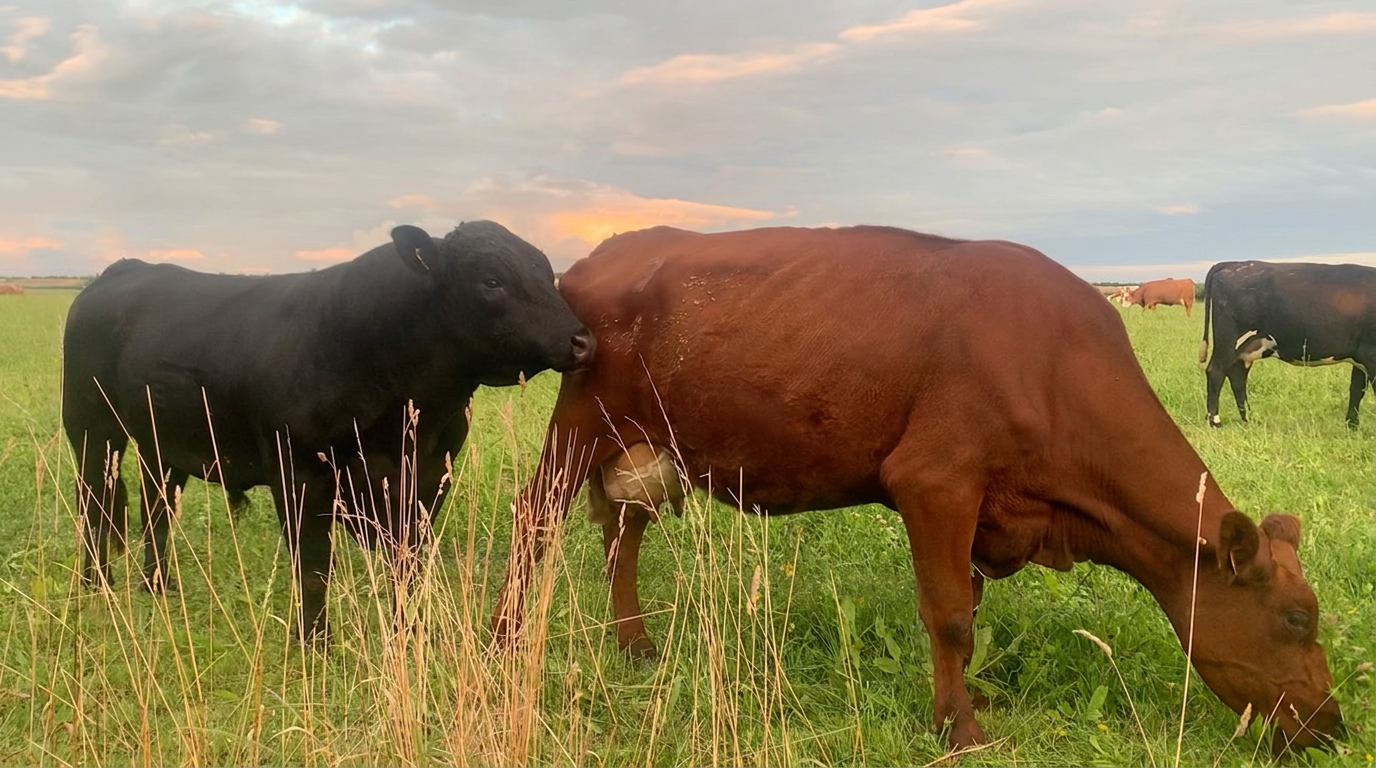
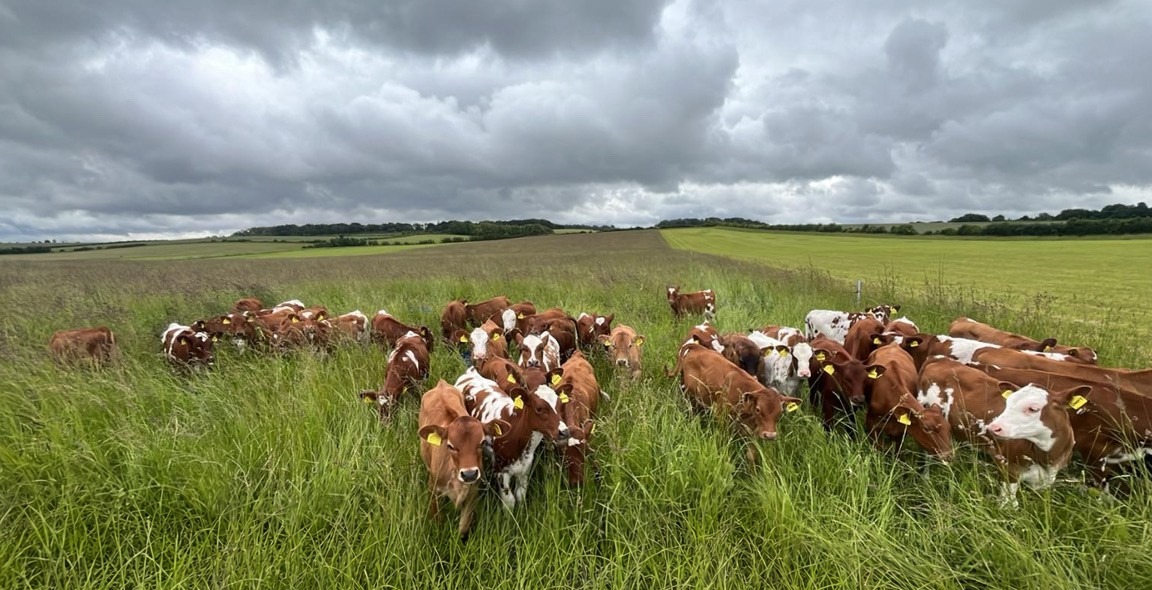
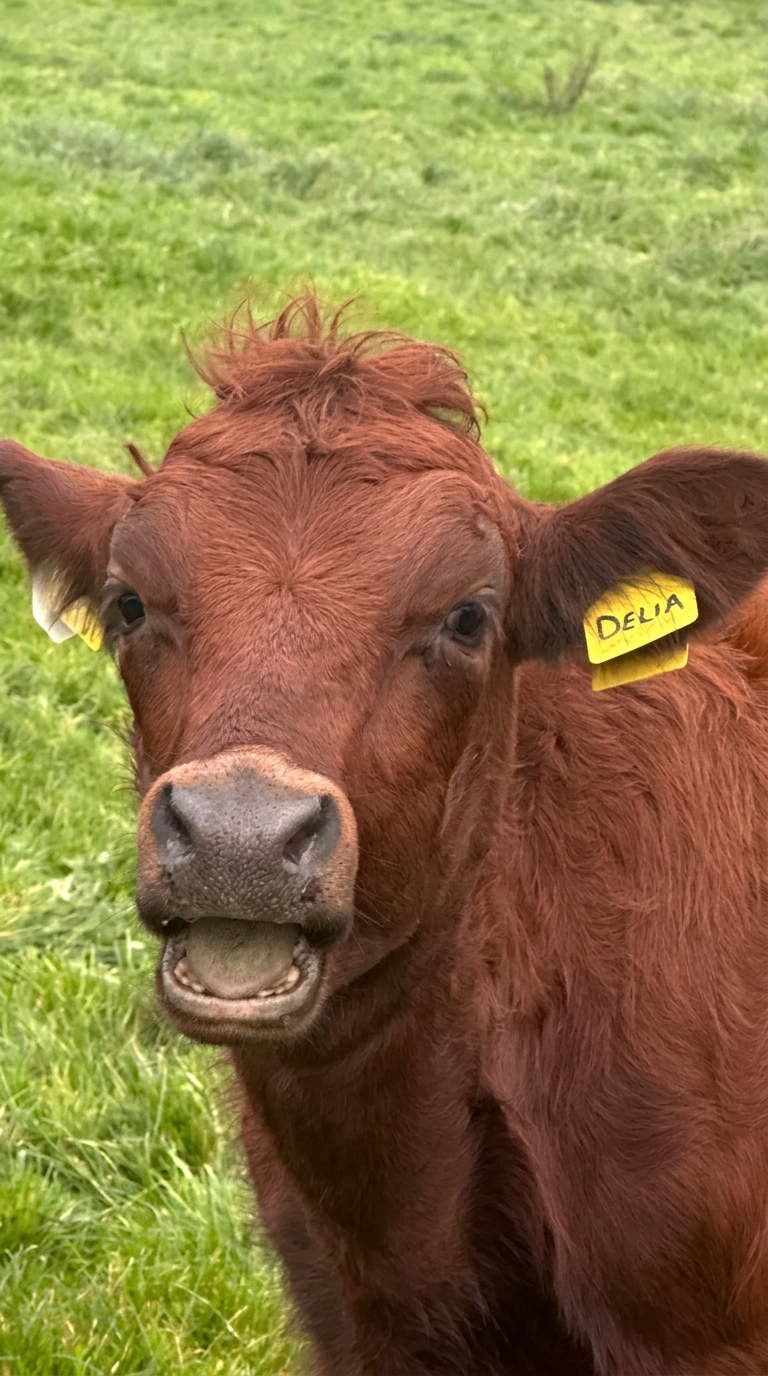
Viking Reds are bred on health and fertility data, not milk volume alone. Cows are fertile and stay in the herd for more lactations than average, which lowers replacement costs and the carbon carried by each litre.
Decades of Nordic recording for mastitis resistance, hoof health and calving ease produce a hardy cow that thrives outdoors, walks well to grazing and needs less intervention.
Medium-framed and light on their feet, they convert grazed grass and herbal leys efficiently, and they live outside all the year round.